Photo By Ayla Verschueren via Unsplash

Grooming is often treated like an optional cosmetic upgrade, but it is basic preventive health care. A consistent routine keeps skin clean, stops painful tangles from forming, and gives you a regular chance to spot lumps, parasites, or irritation before they turn into expensive vet visits.
Brushing and Coat Maintenance
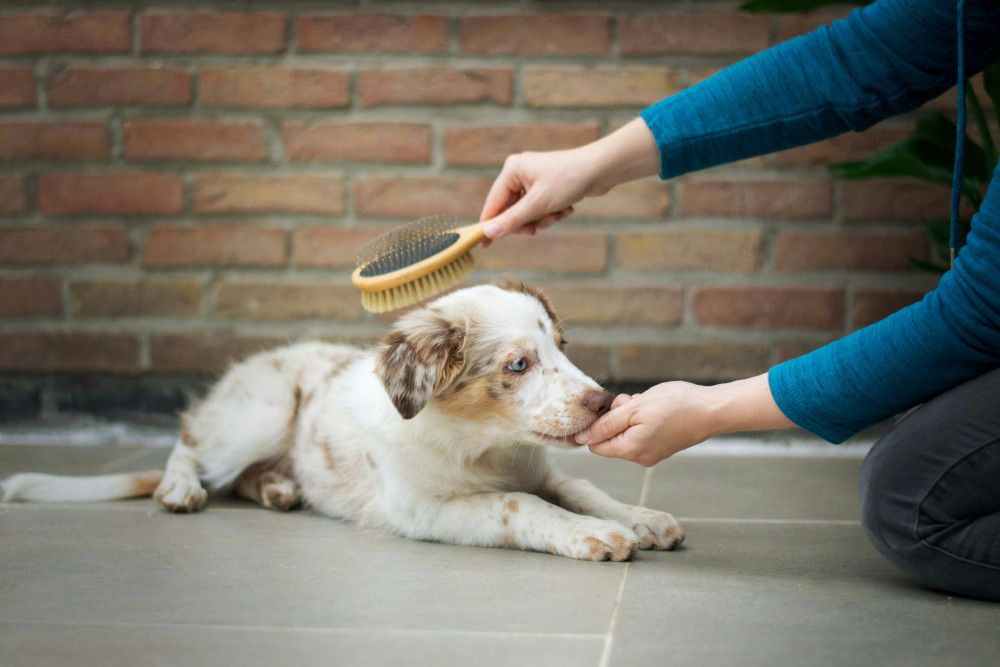
Brushing does more than cut down on hair on the couch. It lifts dirt and dead undercoat, spreads natural skin oils along the hair shaft, and improves airflow to the skin. Left untouched, dense or long fur traps moisture and pulls tight into mats, especially behind the ears, under the collar, inside the armpits, and along the back legs. Severe mats pinch the skin and create warm pockets where bacterial infections develop quickly.
Match your tools to your dog's coat:
Bathing Without Irritating the Skin
Most healthy dogs only need a bath every four to eight weeks, or sooner if they roll in something foul or swim in muddy water. Washing too frequently can strip protective oils and trigger dry, flaky skin.
Use a mild, dog-specific shampoo formulated for canine skin pH; human shampoos are too acidic and often cause itching. Rinse thoroughly until the water runs clear, because leftover soap residue is one of the most common causes of post-bath scratching. Towel-dry well and pay close attention to skin folds, paws, and thick undercoats so trapped moisture does not cause hot spots.
Ears, Nails, and Teeth
Coat care is only part of the routine. Three small habits prevent some of the most common discomforts dogs face:
Turning Grooming Into a Health Check
Handling your dog calmly from nose to tail builds trust and makes vet exams easier. While you brush and bathe, run your hands over the ribs, belly, paws, and tail base. Watch for new bumps, ticks, flea dirt, red patches, cracked paw pads, or flinching when a spot is touched. Catching a small hot spot or ear infection early usually means simpler treatment and faster relief.
Knowing When to Call a Professional Groomer
Dogs with continuously growing or heavily feathered coats—such as Poodles, Shih Tzus, Bichons, and many doodles—generally need professional grooming every four to eight weeks alongside home brushing. A skilled groomer can handle breed trims, sanitary clips, high-velocity blowouts for shedding breeds, and tricky nail trims. Short, calm practice sessions at home with high-value treats help your dog stay relaxed in both your bathroom and the grooming salon.
This article is for general information only and is not a substitute for veterinary advice. If you notice persistent itching, redness, foul-smelling ears, hair loss, or new lumps during grooming, schedule an exam with your veterinarian.