Good obedience training is not about turning your dog into a robot. It is about building a shared language that keeps your dog safe near traffic, calm around guests, and welcome in more places with you. A handful of reliable cues, taught calmly and practiced in short bursts, makes daily life noticeably easier for both of you.
When to Start Training
Start the day your dog comes home. Puppies as young as eight weeks can learn basic cues as long as sessions stay short, upbeat, and matched to their brief attention spans. Three to five minutes before a meal works far better than a long drill session when a puppy is overtired.
Adult and senior dogs learn just as reliably. Older rescues sometimes take a little longer to replace ingrained habits, like bolting through open doors or pulling on leash, but their longer focus often speeds up new cues once they understand what earns a reward.
Four Core Obedience Cues
Master these four basics in a quiet room before asking for them on busy sidewalks.
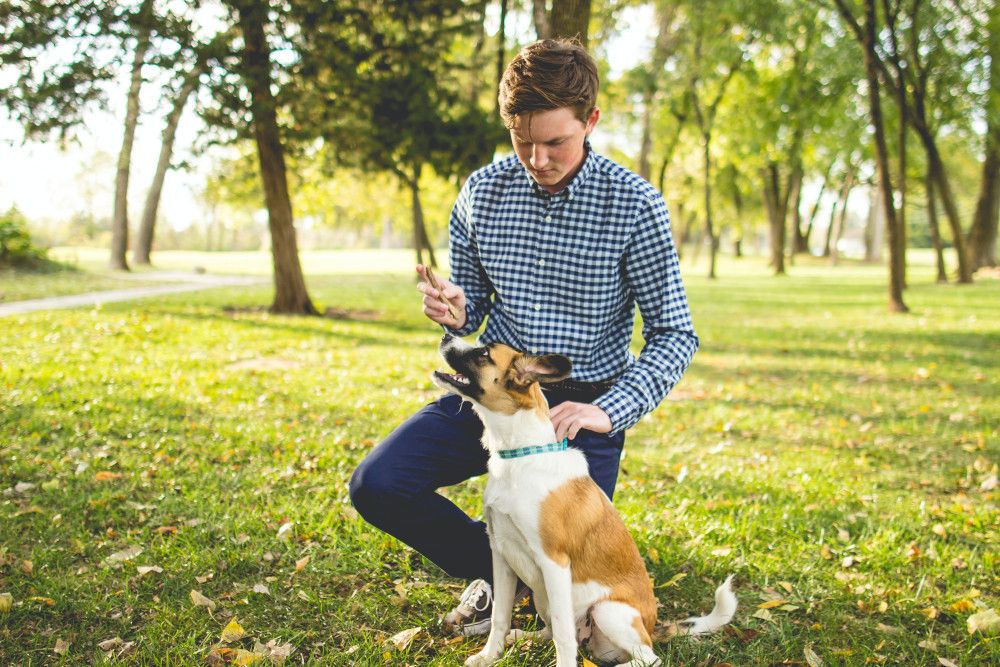
Sit: Hold a small treat right at your dog's nose, then slowly lift it up and slightly back toward their ears. As their head tilts up, their hips drop naturally. The instant their rear touches the floor, mark the moment with "yes" and hand over the treat. Add the word "sit" only after your dog follows the hand motion smoothly several times in a row.
Stay: Ask for a sit or down, hold your open palm toward your dog, and say "stay." Wait just two seconds, step back in, reward them while they are still holding position, and release them with a consistent word like "free" or "okay." Increase duration, distance, and distractions one variable at a time rather than all at once.
Come (Recall): Reliable recall can save your dog's life if a leash slips or a gate swings open. Start indoors or on a long training line. Say your dog's name and "come" in an upbeat voice, take a quick step backward to invite movement, and reward generously with high-value food like bits of cooked chicken or cheese. Never call your dog to scold them, trim their nails, or immediately end park play, or the cue will lose its value fast.
Down: From a sit, bring a treat straight down from your dog's nose to the floor between their front paws, then slide it slowly forward a few inches. Most dogs lower their elbows to follow the food. Reward as soon as their chest settles, and practice on a soft rug or mat so lying down feels comfortable.
Methods That Actually Work
Positive reinforcement: Dogs repeat behaviors that pay off. Deliver the treat, toy toss, or praise within one to two seconds of the right choice so your dog links the action to the outcome. Use soft, pea-sized treats they can swallow quickly without breaking focus.
Marker or clicker training: A clicker, or a crisp verbal marker like "yes," tells your dog the exact split second they got it right, bridging the brief gap while you reach into your pouch. Charge the marker first by clicking and immediately feeding ten times in a row until your dog glances eagerly at you at the sound.
Consistency across the household: Agree on one cue word per behavior and stick to the same house rules. If you ask your dog to sit for greetings while someone else encourages jumping up, your dog gets mixed feedback and progress stalls.
Working Through Distractions and Common Habits
Dogs do not automatically generalize skills from one room to the next. A dog that sits cleanly in your kitchen may ignore the same cue at the park because squirrels, joggers, and fresh scents compete for attention. Proof each cue in stages: quiet hallway, backyard, empty sidewalk, then busier public spots. Whenever you add a new distraction, step closer and raise the treat value until your dog succeeds again.
The same calm mechanics fix everyday annoyances:
Jumping on guests: Turn sideways, fold your arms, and wait silently until all four paws return to the floor, then offer attention or ask for a sit.
Pulling on leash: Stop walking the moment the leash goes tight. Wait for your dog to glance back or step toward you, mark the slack leash, and resume walking while rewarding steps beside your leg.
Alert barking: Let out one or two barks, calmly call your dog to a mat, and reward quiet focus instead of shouting over them.
Moving Beyond the Basics
Once your dog holds core cues around mild distractions, fold practical manners into daily routines. Teach "leave it" for dropped food, "drop it" for stolen socks, and "place" to settle on a bed while you cook or answer the door. If you want a structured goal, consider the American Kennel Club's Canine Good Citizen (CGC) test, a ten-step evaluation covering polite greetings, loose-leash walking through a crowd, and calm behavior around other dogs.
Five focused minutes twice a day adds up faster than marathon weekend sessions. Keep expectations fair, pay generously for effort, and end every practice on a win your dog feels proud of.