Photo By Patrick Hendry via Unsplash

The neighborhood loop gets the job done on busy weekdays, but new terrain gives your dog richer scents, better conditioning, and real mental work. Here are 10 outdoor activities you can tailor to your dog's age, fitness, and temperament.
1. Day Hiking
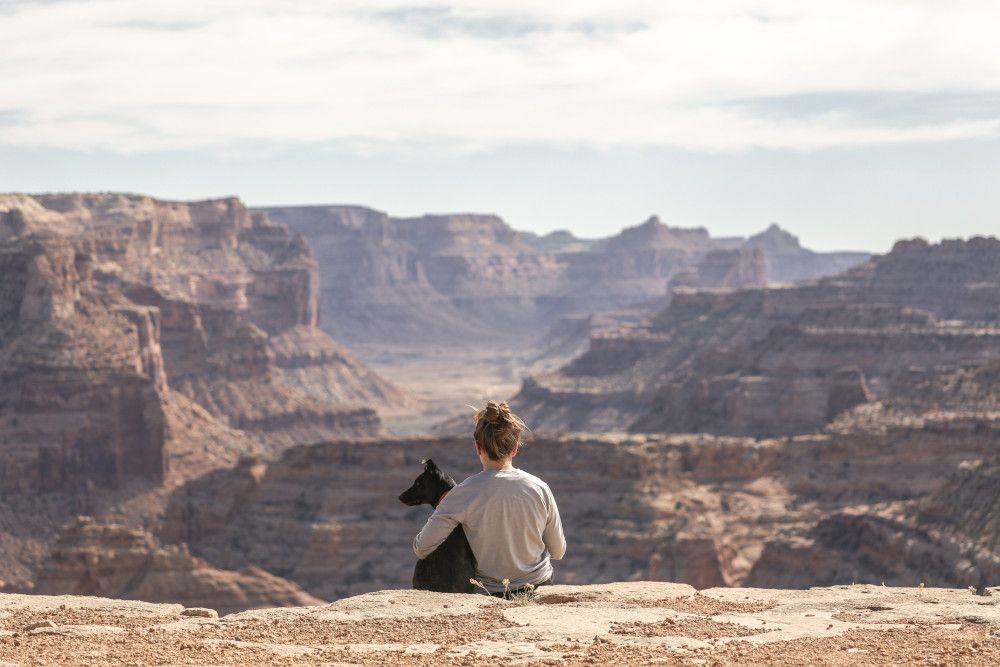
Dirt trails build core strength on uneven footing and offer nonstop scent stimulation. Start with two- to three-mile routes so paw pads toughen up gradually.
2. Beach Days
Sand and shallow surf deliver a low-impact workout for water-loving dogs. Stick to designated dog beaches and gauge wave strength before wading in.
3. Camping
Overnight camping slows the pace down and keeps your dog right beside you. Practice resting inside a pitched tent at home first if flapping fabric makes your dog uneasy.
4. Kayaking or Paddleboarding
Calm lakes and slow rivers are ideal for teaching a dog to ride along on a wide paddleboard or sit-on-top kayak. Practice stepping aboard on dry grass with treats before launching.
5. Trail Running
For high-energy adult dogs, dirt singletrack is easier on joints than sidewalks. Wait for skeletal growth plates to close before structured distance running—typically 12 to 18 months, and up to 24 months for giant breeds.
6. Backyard or Park Agility
You do not need a training facility to try agility. A few low jump bars, weave cones, and a collapsible tunnel turn an ordinary field into a fast confidence builder.
7. Small Park Playdates
Crowded off-leash parks can overwhelm even friendly dogs. Inviting one or two well-matched dogs to a fenced yard or quiet field usually produces cleaner play and fewer scuffles.
8. Biking With Your Dog
Steady adult dogs can trot alongside a bike on soft dirt paths, while small, young, or older dogs often prefer riding in a ventilated bike trailer.
9. Outdoor Mat Work and Gentle Stretching
Sometimes called "doga," rolling out a mat in a quiet corner of the park is really an easy way to practice calm focus outdoors. Rewarding your dog for settling beside you while joggers and birds pass builds real-world impulse control, and slow shoulder or hip rubs help active dogs unwind.
10. Snowshoeing and Winter Trails
Many medium and large breeds thrive on packed winter trails where temperatures stay crisp and the pace is steady.
Pick one activity that matches your dog's natural energy, build up slowly, and let their enthusiasm set the pace. The best outings end with a tired, settled dog ready for next weekend.